



"Meet the Masters!" SeriesPresented by Intangible Cultural Heritage Office Organised by Hulu Culture Limited Funded by Intangible Cultural Heritage Funding Scheme
To enhance the public's understanding of intangible cultural heritage (ICH), the ICH Office will continue presenting the diverse "Meet the Masters!" series, inviting ICH practitioners and experts to talk about different ICH items, and chat with the participants. The programmes will be conducted mainly in Cantonese and free of charge. |
|
 |
Wisdom and Craftsmanship in Everyday Lives
|
Venue |
Orientation Room 2, Hong Kong Intangible Cultural Heritage Centre (located at Sam Tung Uk Museum) |
|
Participation Method |
|
|
Enquiry |
Mr Luk (Tel.: 2780 2283 or email: info@huluhk.org) |
A bowl of herbal tea, a jar of snake wine or a dose of Chinese herbal medicine embodies the folk wisdom of living in harmony with the seasons and nurturing wellbeing. Traditional crafts such as lacquerware making, face threading, painting mounting, and Ying stone (ornamental limestone from Yingde) rockery miniature landscape crafting reveal artisans' meticulous pursuit of techniques and aesthetics. These everyday practices and skills are, in essence, the accumulated wisdom of generations.
This season, the "Meet the Masters!" Series features the theme "Wisdom and Craftsmanship in Everyday Lives". Through sharing sessions and demonstrations, the programmes from October to December 2026 will guide participants from everyday customs to master craftsmanship, gaining insight of how intangible cultural heritage continues to thrive in today's world.
Programmes in October 2026
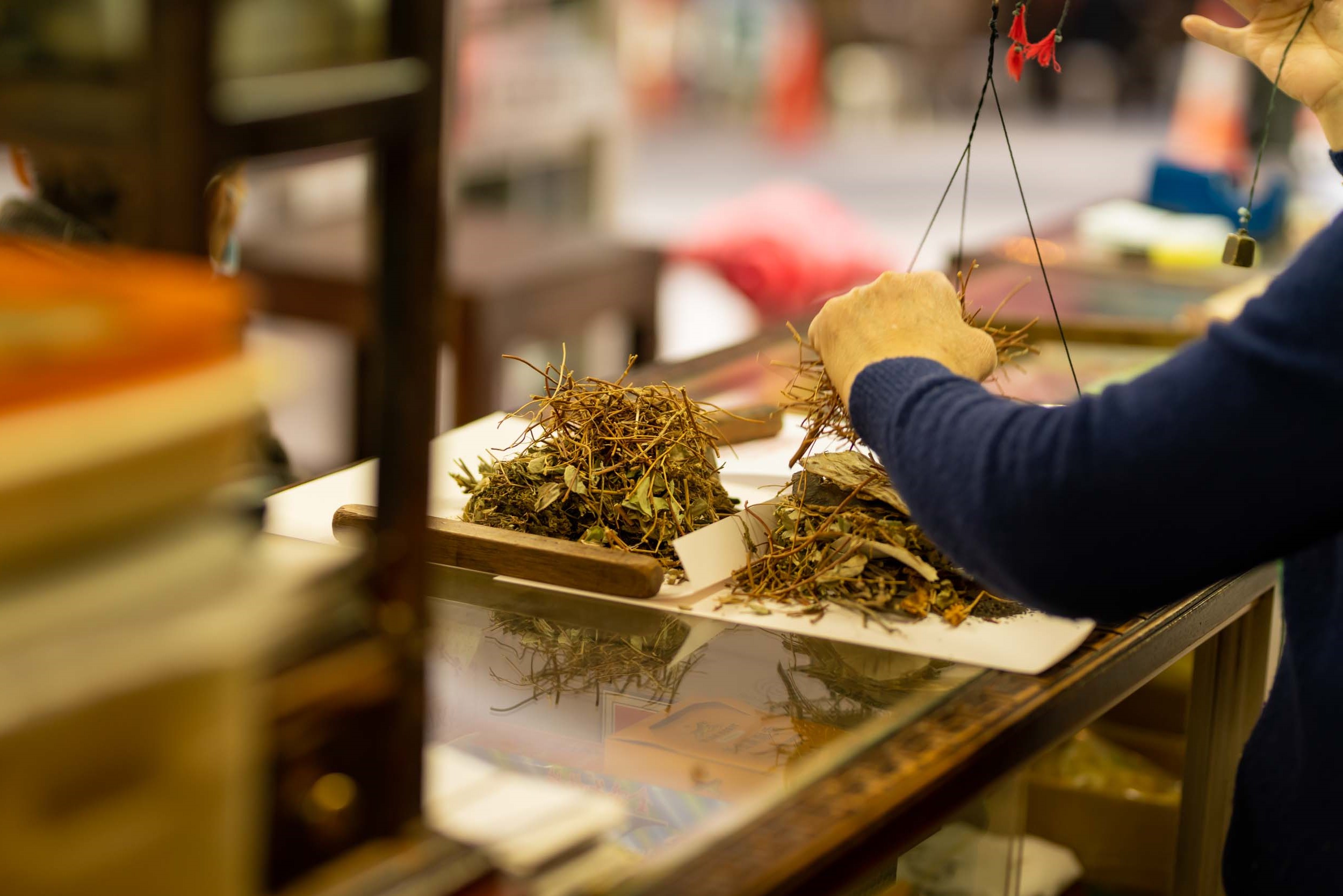
Botanical Breeze: Sharing and Demonstration on Herbal Tea
In the warm, humid climate of Lingnan, herbal tea becomes a folk wisdom for maintaining health and preventing illness. Through sharing and demonstration, this activity will introduce common ingredients and brewing methods of herbal tea. Participants will also make their own herbal tea bags, gaining insight into the folk wisdom of health preservation embedded in this practice.
|
Date |
17 & 18 October 2026 (Saturday and Sunday) (Remarks: Two sessions of the activity feature the same content) |
|
Time |
3 pm to 5 pm |
|
Speaker |
Ms Kay Kwan (Co-Founder of kwan.sum.lee) |
Layers of Lustre: Sharing and Demonstration on Lacquerware Making Technique
Lacquerware making combines practical function with decorative art. This activity will introduce the basic processes of lacquerware making, from drafting, painting to lacquering. Through sharing and demonstration, participants will come to appreciate the intricate craftsmanship and ingenuity embodied in this traditional technique.
|
Date |
24 & 25 October 2026 (Saturday and Sunday) (Remarks: Two sessions of the activity feature the same content) |
|
Time |
|
|
Speaker |
Mr Fung Tak-man (Veteran Lacquerware Making Master) |
Programmes in November 2026
Intricate Threads: Sharing and Demonstration on Face Threading Technique
Face threading is a technique that uses yarn controlled by the hands and mouth, with the aid of begonia powder, to remove hair from the face or limbs. Through sharing and demonstration, this activity will introduce the tools, basic steps and transmission of face threading, allowing participants to explore the ingenious folk beauty craft.
|
Date |
1 November 2026 (Sunday) |
|
Time |
2:30 pm to 4:30 pm |
|
Speaker |
Mr Leung Shing-kwan (Representative of Beauty Choice Threading) |
Healing Hands: Sharing and Demonstration on Bone Setting
Bone setting is a traditional Chinese medical treatment dealing with musculoskeletal injuries such as sprains and falls. Practitioners employ massage and tuina manipulation, often complemented by therapies such as applying herbal wine, liniment, herbal tea and cupping. This activity will introduce the history of bone setting, its links with martial arts and its common diagnostic and treatment methods, giving participants an insight into the traditional wisdom that places great emphasis on experience and skilled technique.
|
Date |
7 & 8 November 2026 (Saturday and Sunday) (Remarks: Two sessions of the activity feature the same content) |
|
Time |
2:30 pm to 4:30 pm |
|
Speaker |
Dr Kam Chak-man (Registered Chinese Medicine Practitioner) |
Handmade Flavours of Soy: Sharing and Demonstration on Soybean Product Making Technique
Soybean products are made from soybeans as the raw ingredient. Soybeans are ground and pressed to produce soy milk, which can then be made into a wide range of items such as tofu, pressed bean curd and fermented bean curd. This activity will introduce the development of Hong Kong's soybean product industry and the basic processes behind making different soybean foods. Through sharing and demonstration, participants will discover the experience, physical effort and teamwork involved to creating one of Hong Kong's distinctive everyday delicacies.
|
Date |
21 & 22 November 2026 (Saturday and Sunday) (Remarks: Two sessions of the activity feature the same content) |
|
Time |
2:30 pm to 4:30 pm |
|
Speaker |
Ms Renee So (Fourth-generation Heir of Kung Wo Beancurd Factory) |
The Art in a Sip: Sharing and Demonstration on the Art of Chiu Chow Kung Fu Tea
The Art of Chiu Chow Kung Fu Tea values meticulous brewing steps and proper guest etiquette, reflecting mutual respect between hosts and visitors. Through sharing and demonstration, this activity will introduce the basic procedures and etiquette of the Art of Chiu Chow Kung Fu Tea. Participants will learn the details of brewing and serving tea, and discover how a single sip of tea strengthens social bonds.
|
Date |
28 & 29 November 2026 (Saturday & Sunday) (Remarks: Two sessions of the activity feature the same content) |
|
Time |
2:30 pm to 4:30 pm |
|
Speaker |
Mr Chan Ching-kin (Second-generation Person-in-Charge of Ming Heung Tea Company) |
Remarks: The above programmes may be subject to change or cancellation. Please take note of our update.
The above programmes are also the activities in the Chinese Culture Promotion Series. The LCSD has long been promoting Chinese history and culture through organising an array of programmes and activities to enable the public to learn more about the broad and profound Chinese culture. For more information, please visit https://ccpo.gov.hk/en/.